
Jackson Hole Birding Festival
2026 Featured Speakers
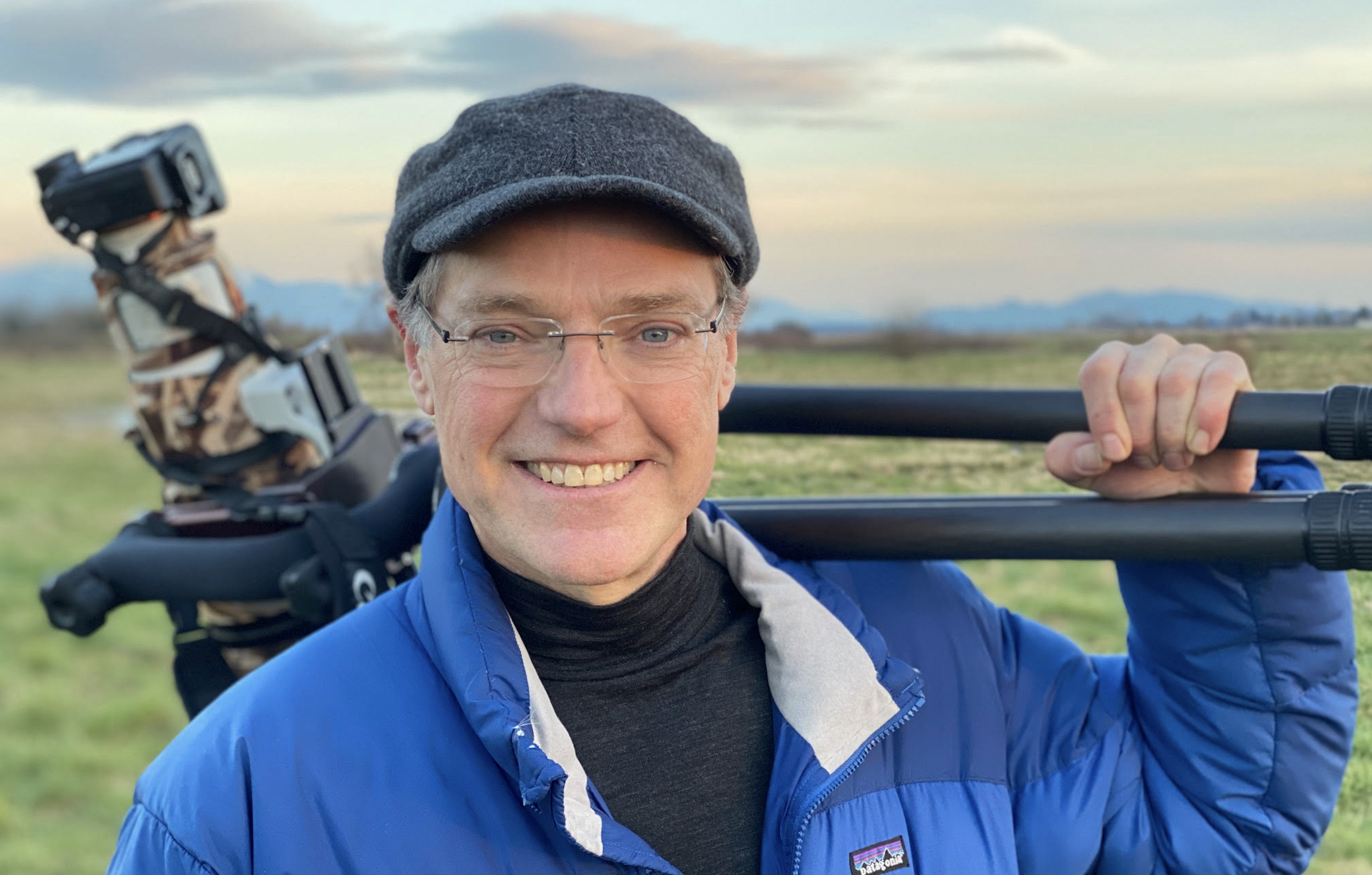
Paul Bannick presents Woodpeckers
of the Inland West
Woodpeckers are the heart of North American forests in many ways. Their distinctive drumming sounds out a familiar rhythm, while their presence supports owls and a myriad other creatures. They have evolved in ways that make them ecologically critical to forest health, serving as keystone species in a variety of wooded habitats across the continent.
A dynamic public speaker, Paul Bannick will present a beautiful and informative multimedia program called “Woodpeckers of the Inland West.” based upon his new book, Woodpecker: A Year in the Life of North American Woodpeckers.
Paul examines woodpeckers in every season: their courtship and nest selection in spring; life in the nest during summer; fledging and gaining independence in autumn; and the challenges of surviving the winter.
About the Speaker
Paul Bannick is an award-winning author and photographer who makes images to inspire education and conservation.
Paul is both the author and photographer of five books (all published by Mountaineers Books/Braided River), including two best-selling books, Owl: A Year in the Lives of North American Owls and The Owl and The Woodpecker, Encounters with North America’s Most Iconic Birds, as well as Snowy Owl: A Visual Natural History and Great Gray Owl: A Visual Natural History.
Owl: A Year in the Lives of North American Owls received the Gold Medal in the 2017 Independent Publisher Book Awards “Animals and Pets” category. The Owl and the Woodpecker was a runner-up to the Washington State Book Award.
Paul’s photography has won awards from several prestigious contests, including those hosted by Audubon Magazine and the International Conservation Photography Awards.
His work can be found prominently in many bird guides, including those from Audubon, Peterson, and The Smithsonian, and has been featured in a variety of publications including The New York Times, Audubon, Sunset, and Nature’s Best Photography Magazine. His many TV and Radio appearances include pieces on NBC Nightly News , PBS, and NPR.
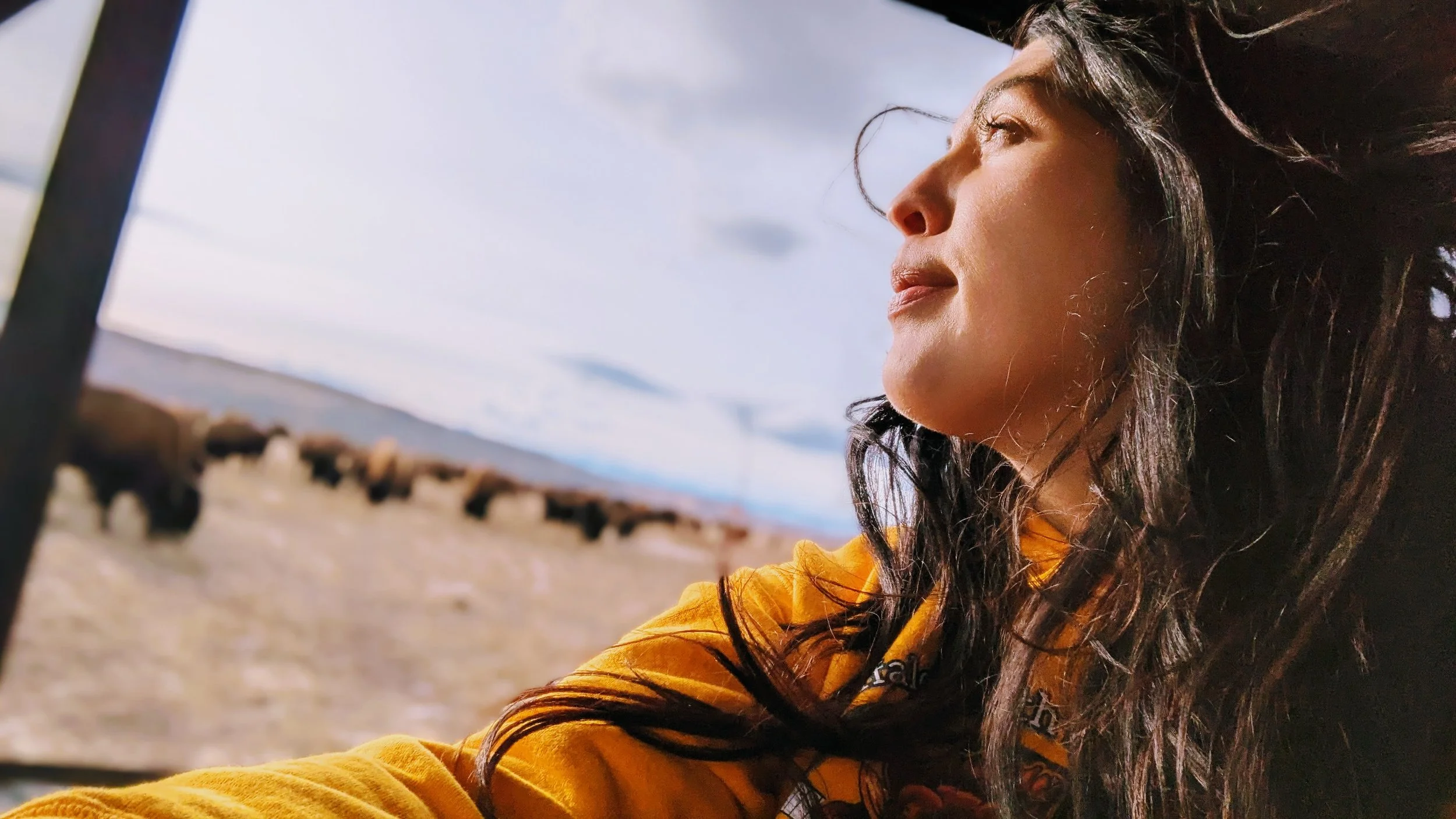
Lisa Ansell Frazier presents The Return of Life: Birds, Bison, and Belonging
The return of life is interconnected. When bison return to the prairie, birds return to the sky. When food systems heal, culture follows. When relationship is restored, belonging emerges.
In this program, Indigenous leader Lisa Marie Ansell Frazier invites us into a living story of restoration—one rooted in relationship rather than control. Drawing from Indigenous ecological knowledge, seventh-generation responsibility, and hands-on bison restoration work, she explores how birds serve as living indicators of prairie health and how the return of buffalo signals the renewal of land, food systems, culture, and community.
Through the lens of the Buffalo Youth Nation Project, Lisa reflects on the deep interdependence between birds, bison, people, and place. She reframes conservation as an act of remembrance: remembering who we are in relationship to the land, and who the land is to us. This conversation illuminates how true restoration is not only ecological but cultural and spiritual—restoring balance, nourishment, and belonging for future generations.
About the Speaker
Lisa Marie Ansell Frazier is an Indigenous nonprofit director and founder of the Buffalo Youth Nation Project, a Native-led organization dedicated to food sovereignty, youth nourishment, cultural restoration, and the return of bison. Her work centers on rebuilding reciprocal relationships between land, animals, and community through bison herd restoration, community food programs, and culturally rooted education. Guided by Indigenous stewardship practices, Lisa’s holistic approach to conservation recognizes that when the buffalo return, so too do the birds, medicines, balance, and a renewed sense of belonging.
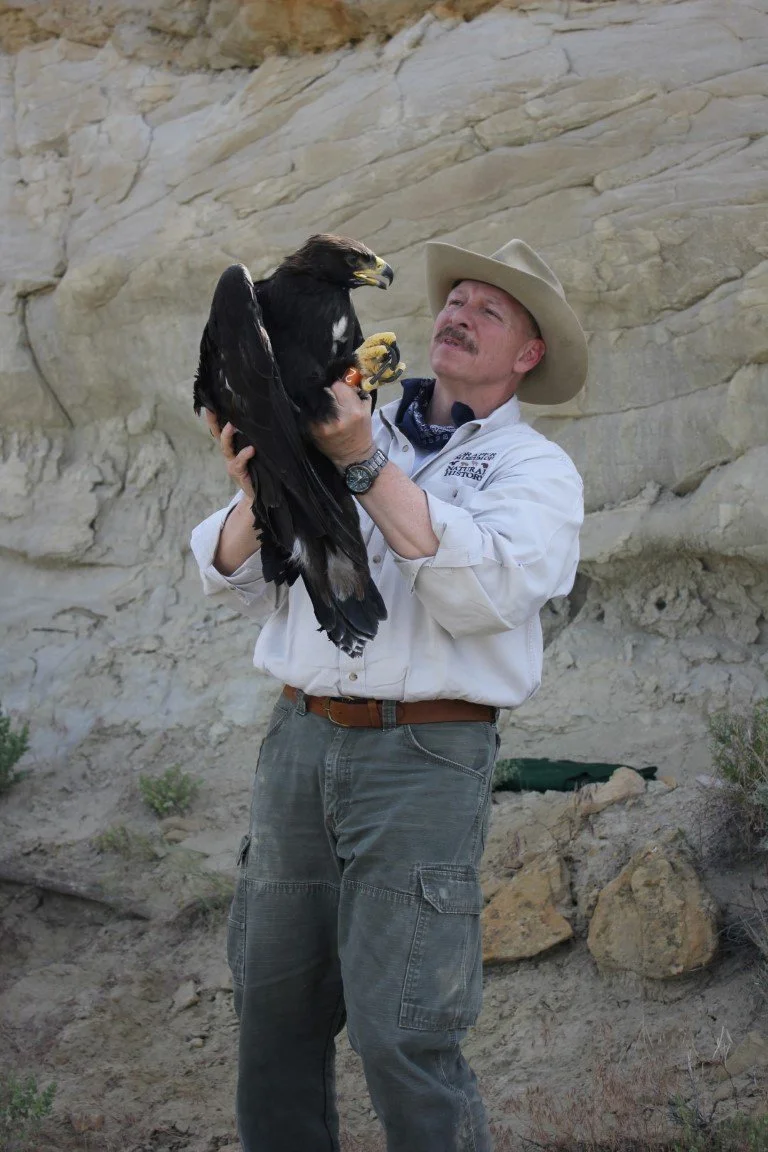
Dr. Charles
Preston presents The Eagle and the Rabbit: Apex predator and prey in an imperiled ecosystem
Dr. Charles R. Preston retired from the Buffalo Bill Center of the West in 2018 as the Willis McDonald, IV Founding and Senior Curator-in-Charge of its Draper Natural History Museum and Draper Museum Raptor Experience. At his retirement, he was named Senior Scientist and Senior Curator Emeritus at the Center. Dr. Preston received international acclaim for his “visionary” leadership of Draper Museum design, development, and management, and the Draper has become a model for a new genre of highly immersive and experiential natural science museums. He has also been recognized by Mountain Journal as a “leading thinker” on human-wildlife relationships in the Greater Yellowstone Ecosystem. His career has spanned more than 50 years as a nationally renowned wildlife ecologist, award-winning author, university professor, and museum creator, curator, educator, and administrator. He maintains a strong passion for public science education.
In 2013, Dr. Preston forged an enduring partnership with the Prince Albert II of Monaco Foundation to support biodiversity conservation research and public education focused on the Greater Yellowstone. He has conducted fieldwork in the Galapagos Islands and Central and South America, in addition to the Ozark Highlands, Greater Yellowstone, Colorado, and Kansas in North America.
In 2023, Preston was honored with a Telly Award as Executive Producer and Senior Scientist with Wild Excellence Films for the multi-award-winning 60-minute film documentary Golden Eagles: Witnesses to a Changing West, and in 2024 he was recognized by the University of Wyoming’s Biodiversity Institute with the prestigious Contributions to Biodiversity Science Award. His past positions include Chairman, Department of Zoology at the Denver Museum of Nature and Science; tenured Associate Professor of Biology at the University of Arkansas at Little Rock; and Graduate Fellow in zoology at the University of Arkansas Museum. He holds or has held adjunct faculty appointments at the University of Wyoming; University of Colorado, Boulder; University of Denver; and University of Arkansas, Fayetteville, and has authored, co-authored, or edited seven books and more than 70 scientific articles, reports, book chapters, and popular essays covering a wide variety of topics from wildlife ecology and conservation to the role of natural science museums in the 21st century. Dr. Preston continues to explore the ecology and conservation of predators and to direct his long-term monitoring and research program on Golden Eagles in Greater Yellowstone’s Bighorn Basin. He and his wife, award-winning broadcast journalist Penny Preston, currently split time between summers in Greater Yellowstone and winters near where Dr. Preston grew up in the Arkansas Ozarks.
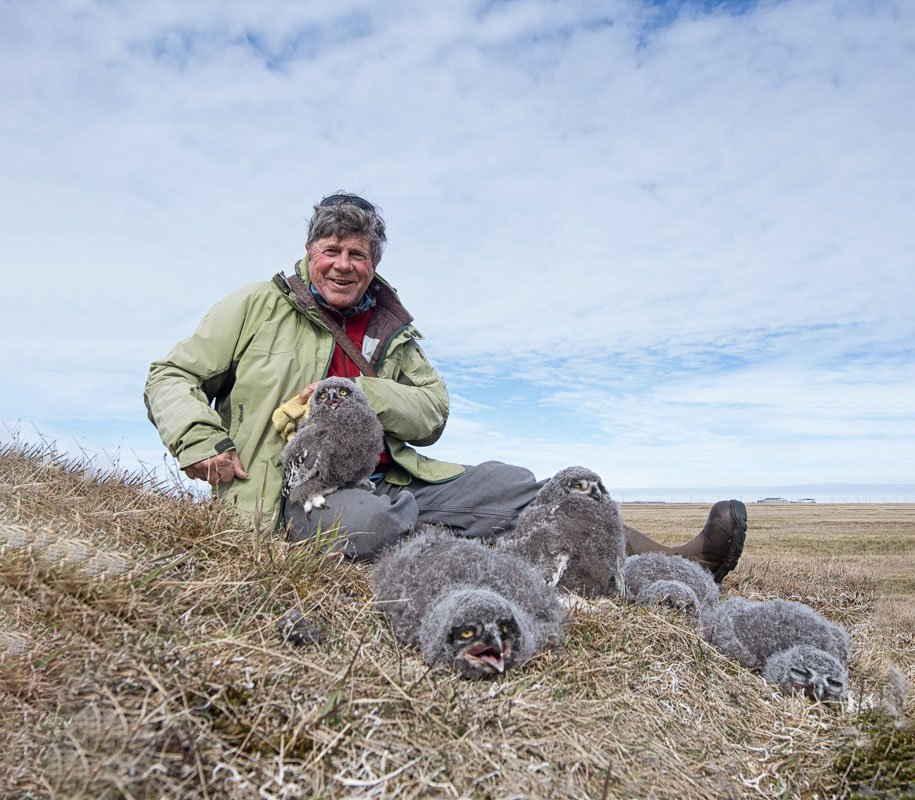
Denver Holt presents Snowy Owls & Lemmings: 35+ Years of Predator-Prey Dynamics in the Arctic
Denver Holt, founder of the Owl Research Institute (ORI), will share insights from 35 years of dedicated Snowy Owl research in Utqiaġvik/Barrow, Alaska. He will highlight the intricate relationship between Snowy Owls and their primary prey, the lemming, and explore the alarming declines both species have faced at that location over the recent decades. Denver will discuss the critical role of predator-prey dynamics in Arctic ecosystems, the potential causes of these population shifts, and why understanding these changes is essential for conservation efforts. This presentation offers a rare glimpse into the nuances of Arctic wildlife and the ongoing challenges they face.
The ORI is one of the most active owl research groups in the world. Their organization is reinvigorating the essence of “boots on the ground” field research. For over 40 years, Denver and the ORI have been dedicated to the pursuit of in-depth and long-lasting studies that illuminate the enigmatic world of owls and their intricate ecology. Listeners will come away with a comprehensive understanding of why long-term studies are essential for revealing population trends, changes in climate, and unraveling these complex ecological puzzles for long-term survival and conservation strategies for owls in general.
About the Speaker
Denver’s research has been published in many academic journals. He is currently the team leader for Cornell Laboratory of Ornithology’s Snowy Owl species account, as well as an authority who has been acknowledged by the media, including a cover story for National Geographic Magazine in Dec. 2002 and a feature in the New York Times in 2011.
His work has been the subject of many television bits on all the major networks, as well as featured on Audubon’s Up-Close series, PBS’s Bird Watch, Disney, and David Attenborough’s Life of Birds, and the film The Magic of the Snowy Owl, among others. His research on Snowy Owls has been showcased on documentaries for National Geographic Explorer, NHK Natural History Unit of Japan, and the Norwegian Broadcasting Company Natural History Unit. It has also been the focus of the British Broadcasting Company’s (BBC) documentary series Frozen Earth, a sequel to the highly acclaimed Planet Earth series. In 2011, Denver worked closely with a PBS documentary film crew featuring the breeding ecology of the Snowy Owl at his research site in Barrow, Alaska. Denver has also been the keynote speaker for many major bird festivals in the United States and gave a TEDxBozeman talk in 2023. We’re happy to welcome him back to Jackson for a second year!
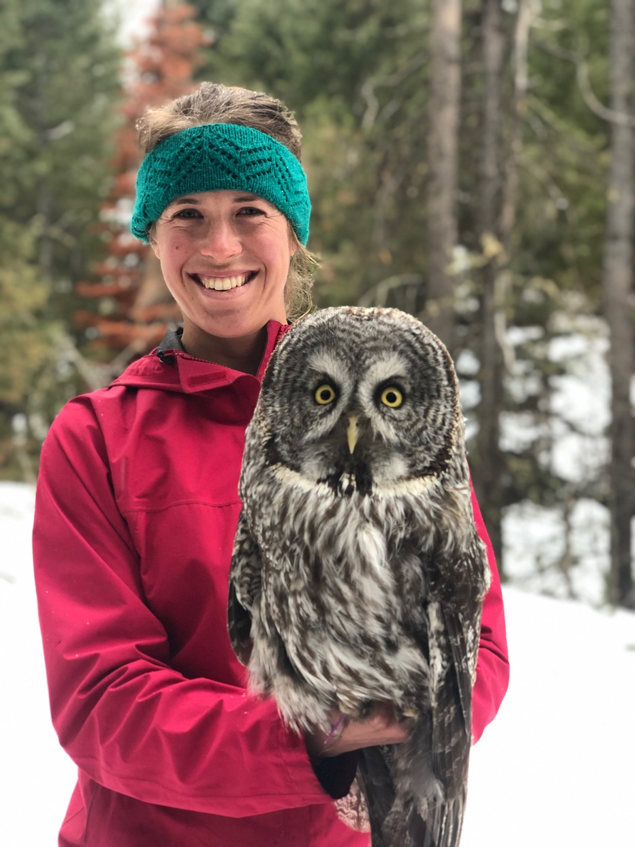
Dr. Katherine Gura presents Discovering the Phantom of the Forest: Great Gray Owls of the Greater Yellowstone Ecosystem
Dr. Gura will present on one of North America's most iconic and enigmatic raptors, the Great Gray Owl (Strix nebulosa). She will share findings from her long-term study of this species, including information on Great Gray Owl natural history, behavior, breeding dynamics, and seasonal movements. Her presentation also will provide a window into how researchers go about studying such a difficult-to-find bird! Finally, Katherine will share information about the conservation challenges this species faces and next steps in her Great Gray Owl research program.
About the Speaker
Dr. Katherine Gura is a Research Scientist at Colorado State University. She has conducted applied avian research in the Greater Yellowstone Ecosystem for over 15 years, including spending the past 13 years studying Great Gray Owls. She earned her Ph.D. in Ecology from the University of Wyoming, where she studied variation in Great Gray Owl habitat selection, movement ecology, and demographics.
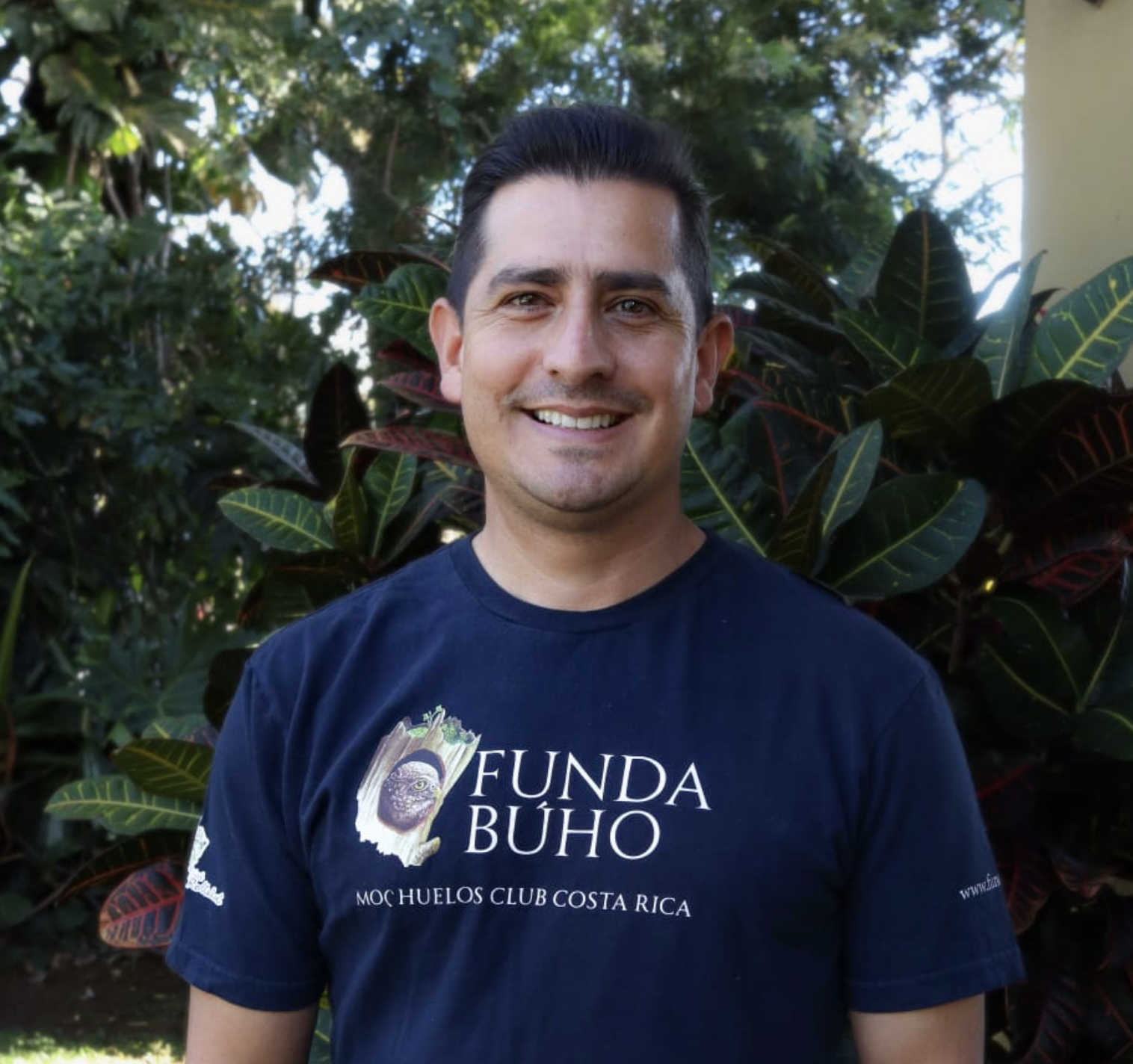
Emmanuel Guzmán presents Beyond
Eco-Tourism:
Hotels as Active Conservation Partners
Based in the western Central Valley of Costa Rica, Emmanuel’s work centers on the conservation and monitoring of cavity-nesting birds, particularly the Ferruginous Pygmy-Owl (Glaucidium brasilianum), through long-term artificial nest box programs integrated into urban, agricultural, and industrial landscapes.
Over the past 12 years, Emmanuel has designed, installed, and monitored nest box systems within the Corredor Biológico Garcimuñoz, in communities such as Ciruelas, El Coyol, and La Guácima. His work demonstrates how private landowners, hotels, and industrial zones can actively participate in biodiversity conservation through habitat design and data-driven management.
As Sustainability Manager at Hotel Robledal, Emmanuel integrates ecological restoration, environmental education, and wildlife monitoring into hospitality operations. His initiatives extend beyond owls to include support for native bees, parrots, and other species that depend on nesting refuge.
Through FundaBúho and his earlier initiative, Birding Central Valley, he promotes practical conservation models that connect science, community engagement, and corporate sustainability. His mission is to demonstrate that meaningful conservation can thrive even in highly transformed landscapes when guided by long-term commitment and collaboration.
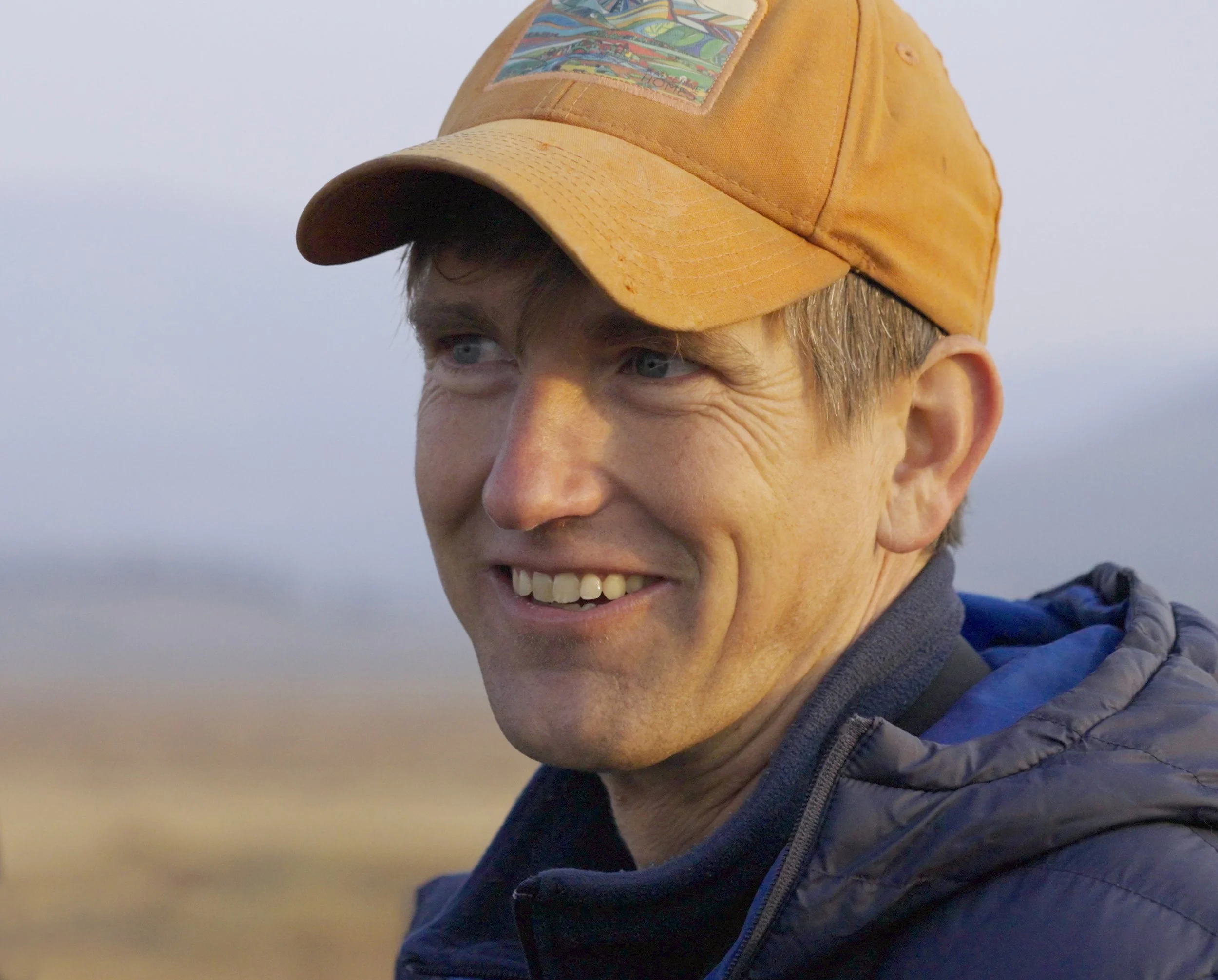
George Bumann presents Eavesdropping on Ravens: What we can learn from Corvid conversations
George Bumann (rhymes with ‘human’) is a professional sculptor living with his wife, young son, and black Labrador Hobbes at Yellowstone’s northern entrance in Gardiner, Montana. George has been a life-long observer of nature and was raised in his mother’s New York sculpture studio. He holds both Bachelor’s and Master’s degrees in wildlife ecology and has worked in the fields of wildlife research, taxidermy, back-country guiding, and environmental consulting and has taught art and natural history programs for youth, adult, and university audiences since 1990.
George’s work can be found in collections throughout the United States and around the globe. His sculptures reside in the permanent collections of the National Museum of Wildlife Art in Jackson Hole, Wyoming, the Brinton Museum in Big Horn, Wyoming, the Booth Museum of Western Art in Cartersville, GA, and the C.M. Russell Museum in Great Falls, Montana, and was featured in the book, “Sculpture of the Rockies,” by the editors of Southwest Art Magazine. As an elected member of the National Sculpture Society and the Society of Animal Artists, his works have been shown at the Societies’ annual exhibitions as well as the Coors Art Exhibit & Sale, Bennington Center for the Arts’ – “Art of the Animal Kingdom,” the “Birds in Art Exhibition” at the Leigh Yawkey Woodson Art Museum, the C.M Russell Auction, and Loveland’s Sculpture in the Park, among others. George’s art and educational outreach have been featured in publications such as the Salt Lake City Tribune, Los Angeles Times, Washington Post, Sacramento Bee, and on television, radio, and online through the Canadian Broadcasting Corporation (CBC), Travel Channel, Discovery Channel, and Tedx Bozeman.
